
A COMMUNITY GARDEN FOR ALL
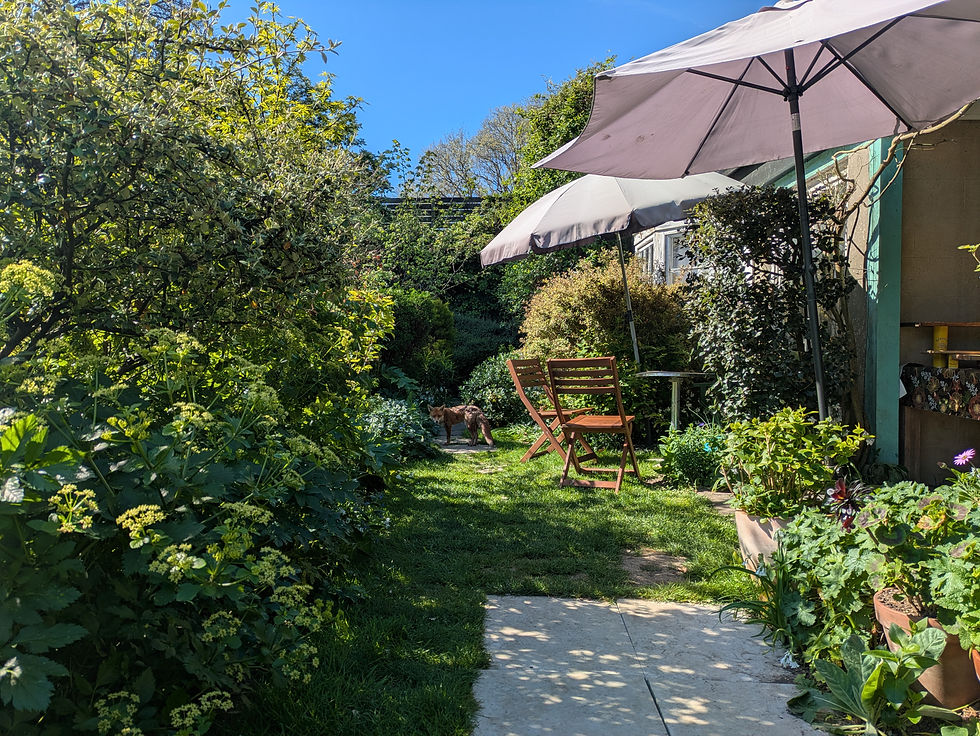
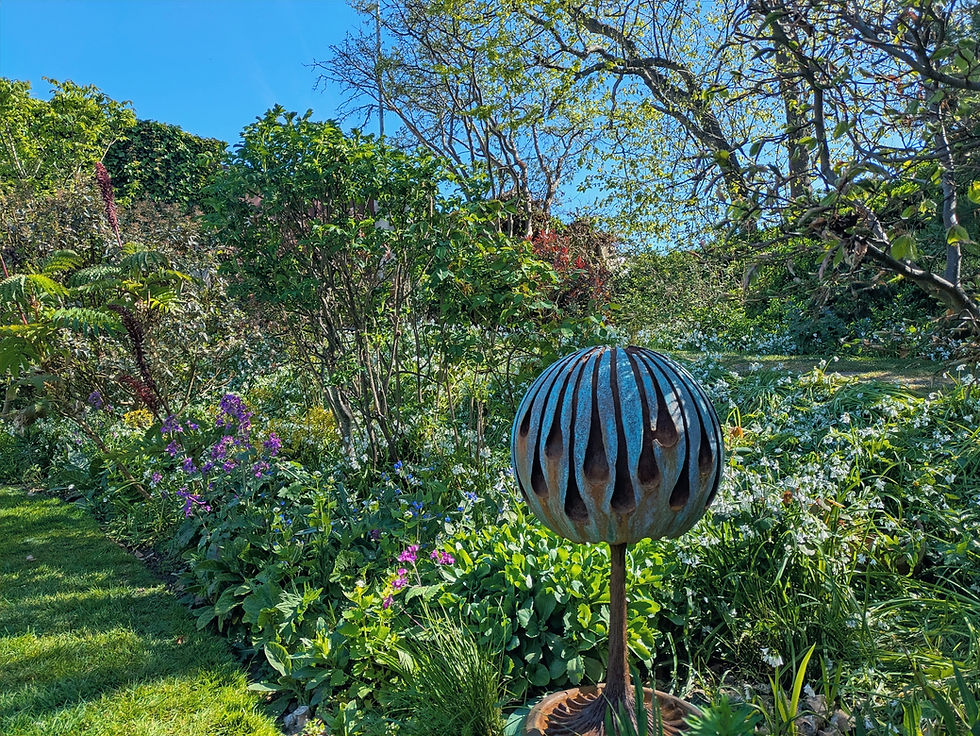
Hidden behind the Regency squares of Kemptown, the Secret Garden is a peaceful public space for sculpture, nature, community and quiet reflection.
OPEN SUNDAY 11–5 | FREE ENTRY | KEMPTOWN, BRIGHTON | CAFÉ ONSITE




Whats On!
Jazz Jamboree Orchestra
Saturday 12 September | 7.00pm – 9.00pm
Bring a picnic, settle in amongst the flowers, and enjoy a performance by the Jazz Jamboree Orchestra, a Sussex ensemble of more than 25 musicians performing an uplifting mix of jazz standards, popular classics and original arrangements.
Wine, soft drinks and refreshments will be available for a suggested donation, with proceeds supporting the work of the Antony Dale Trust.


Featured Plant
Each month we take a closer look at one of the many fascinating plants growing in the Secret Garden, highlighting a species to discover during your visit.
The Medlar ( Mespilus germanica)
The Medlar is a small and attractive fruit tree cultivated for at least 3000 years . Like Quinces and Apples the Medlar belongs to the rose family . It is thought to have originated in southwest Asia and southeastern Europe. It was referenced in Ancient Greek and Roman literature and was introduced across Western Europe and into Britain by the Romans.
In previous centuries The Medlar was once a very popular fruit tree, especially in the medieval period and is mentioned by both Chaucer and Shakespeare . Before sugar became widely available the fruit provided a sweet treat in winter and a much needed vitamin C boost . Medlars fell out of favour largely because , in order to become edible raw , the fruit has to go through a process of ‘bletting’ where the fruit looks almost rotten or spoiled when actually ripe enough to eat . This transforms the hard , bitter fruit into something soft and sweet. Once ripe it has been described as tasting like apple puree with citrus and date undertones . More usually these days Medlars are turned into medlar jelly or medlar ‘cheese’.
The fruit is picked from October into November, traditionally after the first hard frost ( less likely these days ) and stored in a cool place for a few weeks to allow them to soften up - or ‘blet’.
Medlars are rich in vitamin C and were also once used medicinally , as were the bark and leaves , for stomach problems and to aid digestion .
The French believed Medlar trees protected homes from Witchcraft and Sorcery. They called the fruit ‘ Cul de Chien ‘ or ‘Dogs Arse’ ( Chaucer uses the same robust slang description) because of its appearance .
Many gardeners are rediscovering Medlars and their benefits. They are fantastic fruit trees for a small garden , very tolerant of a wide range of soils and conditions and resistant to many pests . They have attractive blossom and foliage, with vibrant autumn colours . Some of the big varieties can grow up to 4-6 metres in height with a spread of 6 metres but other Medlar Tree varieties are much smaller and there are dwarf varieties available.

The Garden
A hidden Regency garden in the heart of Kemptown, Brighton has reopened to the public for the season, unveiling a new sculpture exhibition set within one of Brighton’s most unusual and little-known historic spaces.


